
Call: 08071931401
 Send Inquiry
 Send Inquiry
DPM Glycol Ether Dipropylene Glycol Mono Methyl Ether
MOQ : 25 Kilograms
DPM Glycol Ether Dipropylene Glycol Mono Methyl Ether Specification
- Solubility
- Miscible with water, alcohols, and most organic solvents
- Shelf Life
- 24 Months
- Boiling point
- 188°C
- Molecular Weight
- 148.2 g/mol
- Other Names
- DPM, Dipropylene Glycol Monomethyl Ether
- Melting Point
- -80°C
- Density
- 0.951 Gram per cubic centimeter(g/cm3)
- Physical Form
- Liquid
- Molecular Formula
- C7H16O3
- Poisonous
- No
- Smell
- Mild ether-like odor
- Grade
- Industrial Grade
- Structural Formula
- CH3O(C3H6O)2H
- Ph Level
- Neutral
- Chemical Name
- Dipropylene Glycol Mono Methyl Ether (DPM Glycol Ether)
- CAS No
- 541-02-6
- Type
- Other
- Color
- Colorless
- EINECS No
- 252-104-2
- Purity(%)
- >= 99.0%
- Storage
- Store in a cool, dry, and well-ventilated area, keep container tightly closed
- Appearance
- Clear liquid
- Viscosity
- 4.76 mPa·s at 25°C
- Hazard Class
- Not classified as hazardous
- Vapor Pressure
- 0.5 mmHg at 20°C
- Packaging
- Drums, tanks
- Flash Point (Closed cup)
- 75°C
- Auto Ignition Temperature
- 215°C
- Refractive Index (n20/D)
- 1.420
DPM Glycol Ether Dipropylene Glycol Mono Methyl Ether Trade Information
- Minimum Order Quantity
- 25 Kilograms
- Supply Ability
- 5000 Kilograms Per Month
- Delivery Time
- 5 Days
DPM Glycol Ether Dipropylene Glycol Mono Methyl Ether About
With sincere intentions to preserve and uplift our reputation in the market, we manufacture and supply of DPM Glycol Ether Dipropylene Glycol Mono Methyl Ether to our valuable clients. It is made by best quality required component with the help of innovative technology. This item is utilized for coupling aid in water reducible coatings, and cleaning applications. It is highly effective in nature. Our clients can avail this Mono Methyl Ether from us at common market price rate.
Mid-to slow evaporating solvent. Has 100% water solubility and is ideally suited as a coupling agent in a wide range of solvent systems. Has a higher flash point than DOWANOLa PM glycol ether making it easier to handle, store, and ship. Often incorporated into latex emulsion coatings; can be used to prevent shocking (coagulation of emulsion) when hydrophobic solvents are used. More broadly, its hydrophilic nature makes it an ideal coupling aid in water reducible coatings, and cleaning applications. Used with cleaners because they offer an extensive combination of basic physical and performance properties for cleaning formulations. The intermediate evaporation rate allow it to be used in a potentially wider range of systems than many other solvents.
Uses:
- Cleaners
- Resins
- Coating formulation and application
- Industrial, automotive and architectural coatings
Key Features & Benefits
DPM Glycol Ether boasts a high purity of 99% and a neutral pH, making it suitable for sensitive formulations. Its low vapor pressure ensures safe handling, while its miscibility with water and organic solvents maximizes formulation flexibility. The clear, colorless liquid form is ideal for applications demanding unobtrusive aesthetics, such as in quality coatings, inks, and cleaners.
Safe Handling and Storage
As DPM Glycol Ether is not classified as hazardous, standard precautions suffice. Store this solvent in a cool, dry, and well-ventilated area, keeping the container sealed tightly to preserve product integrity. With a shelf life of 24 months, it offers reliable storage stability for manufacturers and distributors.
Diverse Industrial Applications
DPM Glycol Ether is widely used as a solvent for paints, varnishes, cleaners, inks, and adhesives. Its excellent solvency power, combined with easy compatibility across platforms, provides manufacturers with a versatile ingredient for chemical intermediates and product formulations. Its industrial grade and broad usage ensure consistent performance across varied sectors.
FAQ's of DPM Glycol Ether Dipropylene Glycol Mono Methyl Ether:
Q: What are the main uses of DPM Glycol Ether in industry?
A: DPM Glycol Ether is primarily employed as a solvent in paints, coatings, varnishes, cleaners, inks, adhesives, and as a chemical intermediate. Its versatility and solvency make it valuable in numerous formulation processes.Q: How should DPM Glycol Ether be stored for maximum shelf life?
A: Store DPM Glycol Ether in a cool, dry, and well-ventilated location, with containers sealed tightly. Proper storage ensures its shelf life of up to 24 months and maintains product quality.Q: What are the benefits of choosing DPM Glycol Ether in formulations?
A: Its high purity, neutral pH, excellent solvency, and compatibility with water and organic solvents provide flexibility for various industrial applications, while its non-hazardous nature simplifies handling and storage.Q: When is DPM Glycol Ether preferred over other solvents?
A: It is chosen when a high-purity, low-odor, and water-miscible solvent is required, especially for sensitive products needing a neutral pH and high stability, such as in coatings, inks, and cleaners.Q: Where is DPM Glycol Ether commonly supplied or distributed from in India?
A: DPM Glycol Ether is widely distributed in India by manufacturers, traders, and chemical suppliers, typically available in bulk packaging such as drums and tanks for industrial requirements.Q: Does DPM Glycol Ether require special handling or is it hazardous?
A: DPM Glycol Ether is not classified as hazardous or poisonous. Standard chemical handling practices are sufficient, and no special hazard precautions are necessary.
Tell us about your requirement

Price:
Quantity
Select Unit
- 50
- 100
- 200
- 250
- 500
- 1000+
Additional detail
Mobile number
Email

More Products in Cosmetics Chemicals Category
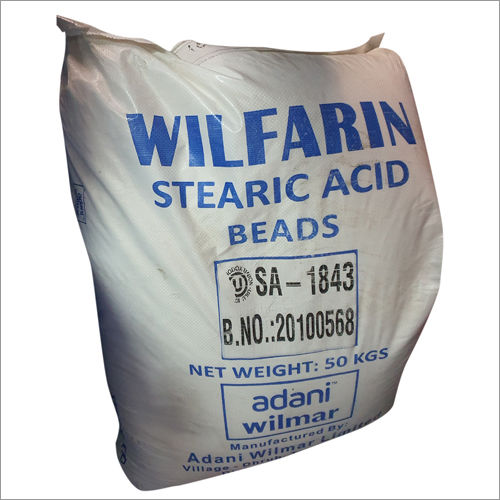
Stearic Acid
Minimum Order Quantity : 25 Kilograms
Other Names : Octadecanoic acid
Shelf Life : 2 years
Melting Point : 6970 C
Molecular Formula : C18H36O2
Physical Form : Solid
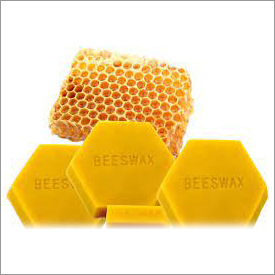
Bees Wax
Minimum Order Quantity : 25 Kilograms
Other Names : Cera Alba, Beeswax
Shelf Life : 23 years (proper storage)
Melting Point : 6265C
Molecular Formula : C15H31COOC30H61
Physical Form : Other, Blocks, Pellets
Heavy Liquid Parafin Oil
Minimum Order Quantity : 25 Kilograms
Other Names : White Mineral Oil, Liquid Paraffin, Paraffinum Liquidum, Mineral Oil
Shelf Life : 2436 months
Melting Point : Below room temperature
Molecular Formula : CH3(CH2)nCH3 (n varies)
Physical Form : Liquid
Sodium Carbomer
Minimum Order Quantity : 25 Kilograms
Other Names : Sodium Polyacrylate Crosspolymer
Shelf Life : 24 months
Melting Point : >200C (decomposes)
Molecular Formula : (C3H3NaO2)n
Physical Form : Powder

We deal only in bulk orders.
Contact Details
GAYATRI DYES & CHEMICALS
GST : 07AAAFG3794R1ZQ
- Office No. 2339, Tilak Bazar, Delhi - 110006, India
- Phone :08071931401
 Send Inquiry
Developed and Managed by Infocom Network Private Limited.


