
Call: 08071931401
 Send Inquiry
 Send Inquiry
Bees Wax
MOQ : 25 Kilograms
Bees Wax Specification
- Other Names
- Cera Alba, Beeswax
- Solubility
- Insoluble in Water, Soluble in Ether/Chloroform/Hot Alcohol
- Application
- Ointments, Lip Balm, Soap, Food Coating, Candle Making
- Physical Form
- Blocks, Pellets
- Particle Size
- Varies (as blocks or pellets)
- Shelf Life
- 2-3 years (proper storage)
- Shape
- Hexagonal (as blocks); varies
- Boiling point
- Not applicable (decomposes before boiling)
- Grade
- Pharmaceutical, Cosmetic, Food
- Molecular Weight
- ~1200 g/mol (approximate, variable)
- Density
- 0.97 Gram per cubic centimeter(g/cm3)
- Ph Level
- 6.0 - 7.0 (neutral to slightly acidic)
- Structural Formula
- Complex Mixture of Esters, Acids, and Hydrocarbons
- Taste
- Bland
- Molecular Formula
- C15H31COOC30H61
- Melting Point
- 62-65C
- Smell
- Characteristic, Faintly Honey-like
- Poisonous
- No
- Chemical Name
- Bees Wax
- CAS No
- 541-02-6
- Type
- Other
- Color
- Colorless
- EINECS No
- 232-383-7
- Usage
- Cosmetics, Pharmaceuticals, Food, Candle Making, Polishes
- Purity(%)
- 98-100
- Storage
- Cool, Dry Place
- Appearance
- Solid, Waxy
- Refractive Index
- 1.442 - 1.454
- Ester Content
- ~70-72%
- Allergen Information
- Generally Hypoallergenic
- Toxicity
- Non-toxic
- Ash Content
- 0.2%
- Flash Point
- > 204C
- Acid Value
- 17-24 mg KOH/g
- Biodegradability
- 100% Biodegradable
- Peroxide Value
- 20 meq O2/kg
- Saponification Value
- 87-102 KOH/g
- Foreign Matter
- Absent (pure grades)
- Odor Threshold
- Low, natural odor
- Compatibility
- Compatible with Most Fats and Oils
Bees Wax Trade Information
- Minimum Order Quantity
- 25 Kilograms
- Supply Ability
- 5000 Kilograms Per Month
- Delivery Time
- 5 Days
Bees Wax About
Bees Wax is made from the honeycomb. It is used to turn its colour with white wax into a yellow. It is used for high cholesterol, skin infections and so on. Apart from this, provided wax is also added to make various products such as eye shadow, blush, lip balm, creams etc. Bees Wax is counted as a vital ingredient which gives a protective layer on the skin. It is ideal for sloughing away dead skin cells.
Natural Versatility and Purity
Bees Wax stands out as a naturally derived, highly purified ingredient suitable for a wide range of industries, from cosmetics to food and pharmaceuticals. Its near-neutral pH, low odor threshold, and hypoallergenic profile make it favorable for products requiring gentle yet effective formulation components. With a comprehensive purity of up to 100%, this wax ensures quality and safety for diverse applications.
Optimal Stability and Ease of Use
With a flash point greater than 204C and a melting range of 62-65C, Bees Wax provides both thermal stability and ease of handling. Its solid, waxy form is convenient to store and process, whether in blocks or pellets. The wax is insoluble in water but dissolves readily in ether, chloroform, and hot alcohol, allowing for flexible formulation methods in manufacturing processes.
Environmental and Health Benefits
Bees Wax is not only safe and non-toxic, but it is also completely biodegradable. Its hypoallergenic nature supports the needs of sensitive users, while its non-poisonous profile makes it ideal for use in food coatings and personal care products. With no added synthetic chemicals, it aligns with ecological and sustainability standards, ensuring minimal environmental impact.
FAQ's of Bees Wax:
Q: How is Bees Wax typically used in various industries?
A: Bees Wax is commonly utilized in cosmetics (ointments, lip balms, soaps), pharmaceuticals, food coatings, polishes, and candle making due to its excellent emulsifying, stabilizing, and protective properties.Q: What makes Bees Wax suitable for sensitive applications?
A: Bees Wax is generally hypoallergenic, non-toxic, and free from foreign matter, ensuring safety for use in products meant for sensitive skin or food contact. Its natural purity and lack of harsh chemicals contribute to its gentleness.Q: When should Bees Wax be incorporated during the production process?
A: It is typically added during the heating or melting phase, as it melts between 62-65C and dissolves well in hot alcohol, ether, or chloroform. This ensures even distribution in formulations like creams, balms, or candles.Q: Where should Bees Wax be stored for best results?
A: For optimal shelf life and quality preservation, store Bees Wax in a cool, dry place away from direct sunlight and excessive heat. This prevents degradation and keeps it solid and stable.Q: What are the key benefits of using Bees Wax over synthetic alternatives?
A: Bees Wax provides a biodegradable, non-toxic, and natural alternative with high compatibility with fats and oils. Its clean, faintly honey-like aroma and absence of synthetic residues make it favorable for health-conscious and environmentally focused brands.Q: Is Bees Wax compatible with other ingredients in formulation?
A: Yes, Bees Wax is highly compatible with most fats, oils, and natural ingredients, making it a versatile base for a wide variety of applications, from personal care products to food coatings.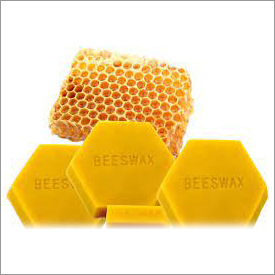
Tell us about your requirement

Price:
Quantity
Select Unit
- 50
- 100
- 200
- 250
- 500
- 1000+
Additional detail
Mobile number
Email

More Products in Cosmetics Chemicals Category
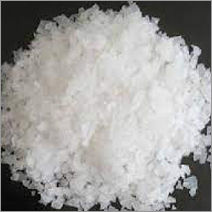
GINOL 1618
Minimum Order Quantity : 25 Kilograms
Type : Other
Color : Colorless
Poisonous : Other, Nonpoisonous
Smell : Other, Slight
Melting Point : 4955C
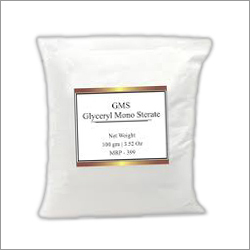
GMS Chemical
Minimum Order Quantity : 25 Kilograms
Type : Other
Color : Colorless
Poisonous : No
Smell : Other, Odorless
Melting Point : 58 65C
CCTG Chemical
Minimum Order Quantity : 25 Kilograms
Type : Other
Color : Colorless
Poisonous : No
Smell : Other, Odorless
Melting Point : 1610C
Euxyl PE 9010 Ethyl Hexyl Glycerine
Minimum Order Quantity : 25 Kilograms
Type : Other
Color : Colorless
Poisonous : Other, Nonpoisonous
Smell : Other, Mild characteristic odor
Melting Point : 10C to 5C

We deal only in bulk orders.
Contact Details
GAYATRI DYES & CHEMICALS
GST : 07AAAFG3794R1ZQ
- Office No. 2339, Tilak Bazar, Delhi - 110006, India
- Phone :08071931401
 Send Inquiry
Developed and Managed by Infocom Network Private Limited.


