
Call: 08071931401
 Send Inquiry
 Send Inquiry
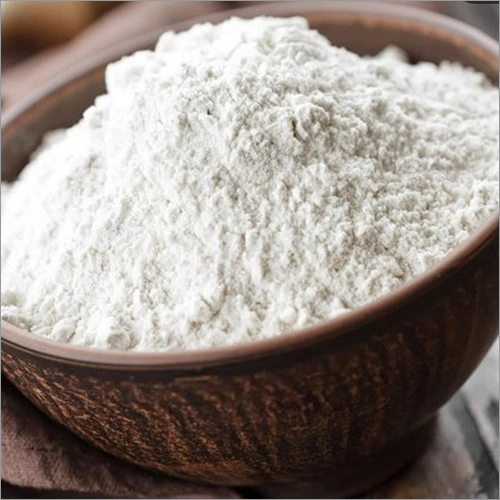
GMS Chemical
MOQ : 25 Kilograms
GMS Chemical Specification
- Particle Size
- Fine (As per specification)
- Shape
- Fine Granules
- Melting Point
- 58 - 65°C
- Poisonous
- No
- Molecular Formula
- C21H42O4
- Density
- 1.02 Gram per cubic centimeter(g/cm3)
- Grade
- Food Grade / Industrial Grade
- Shelf Life
- 2 Years
- Taste
- Tasteless
- Structural Formula
- CH2OH-CHOH-CH2-O-CO-C17H35
- Boiling point
- Decomposes
- Ph Level
- Neutral
- Physical Form
- Powder
- Other Names
- Glyceryl Monostearate
- Smell
- Odorless
- Molecular Weight
- 358.57 g/mol
- Solubility
- Insoluble in water, soluble in alcohols
- Chemical Name
- Glycerol Monostearate (GMS)
- CAS No
- 541-02-6
- Type
- Other
- Color
- Colorless
- EINECS No
- 204-664-4
- Purity(%)
- 99%
- Storage
- Cool, Dry Place
- Appearance
- Powder
- Hydroxyl Value
- Min 110
- Acid Value
- Max 5
- Storage Conditions
- Store below 25°C, away from sunlight
- Oil Absorption Value
- Low
- Moisture Content
- Max 1%
- Heavy Metals
- Complies with food standards
- Packaging Type
- HDPE Bags / Cartons
- Lead Content
- <2 ppm
- Iodine Value
- Max 4.0
- Particle Distribution
- Uniform
GMS Chemical Trade Information
- Minimum Order Quantity
- 25 Kilograms
- Supply Ability
- 5000 Kilograms Per Month
- Delivery Time
- 5 Days
GMS Chemical About
We are offering a distinct range of GMS Chemical. It is manufactured under the strict observation of talented experts and cutting edge technologies. Apart from this, provided chemical is a food additive used as a thickening. It is a preserving agent which is also used in waxes, solvents and control release agent in pharmaceuticals. GMS Chemical is also aid to improve dough quality and stabilize fat. It has a high nutritive value and non-toxic in nature.
Exceptional Emulsification and Stabilizing Properties
GMS acts as an efficient emulsifier and stabilizer, ensuring uniform particle distribution in various food, cosmetic, pharmaceutical, and plastic formulations. Its ability to enhance consistency and texture makes it crucial for manufacturers seeking high-quality, reliable results in their products.
Stringent Food Safety and Quality Compliance
With a lead content of less than 2 ppm and compliance with food-grade heavy metal limits, GMS upholds stringent safety standards. Its low moisture and oil absorption values also help maintain product stability and shelf life, safeguarding end users and final products.
Versatile Applications Across Multiple Industries
Thanks to its chemical properties, neutral pH, and excellent solubility in alcohols, GMS finds widespread use in food processing, cosmetics, pharmaceuticals, and plastics. Its dual-grade availability-food and industrial-ensures suitability for diverse production requirements.
FAQ's of GMS Chemical:
Q: How should Glycerol Monostearate (GMS) be stored to maintain its quality?
A: GMS should be kept in a cool, dry place, ideally below 25C, and away from direct sunlight. Proper storage ensures its shelf life of up to two years and maintains its physical and chemical properties.Q: What are the main uses of GMS in industrial and food applications?
A: GMS is primarily used as an emulsifier, thickening agent, and food additive. It improves texture and stability in foods, acts as a processing aid in plastics, and helps stabilize formulations in cosmetics and pharmaceuticals.Q: When does GMS demonstrate the greatest benefit in production processes?
A: GMS offers significant benefits during the formulation and blending stages, providing superior emulsification, low oil absorption, and uniform particle distribution. This results in smoother, more stable end products.Q: Where is GMS typically sourced and supplied in India?
A: GMS is distributed, manufactured, and supplied widely across India by authorized suppliers and traders. It is available in HDPE bags or cartons to ensure safe transportation and preservation of quality.Q: What process is used to ensure GMS meets food safety standards?
A: Each batch of GMS undergoes rigorous testing for heavy metals, lead content, and particle uniformity. It complies with all food safety regulations, ensuring both food-grade and industrial-grade standards are met.Q: How does GMS benefit formulators in the cosmetics and pharmaceutical industries?
A: GMS's consistent granulometry and chemically neutral profile make it a stable, safe ingredient for use as an emulsifying and thickening agent, ensuring desired textures, longevity, and regulatory compliance across diverse product lines.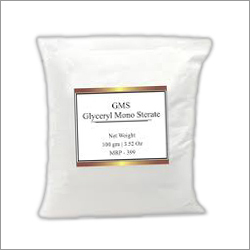
Tell us about your requirement

Price:
Quantity
Select Unit
- 50
- 100
- 200
- 250
- 500
- 1000+
Additional detail
Mobile number
Email

More Products in Cosmetics Chemicals Category
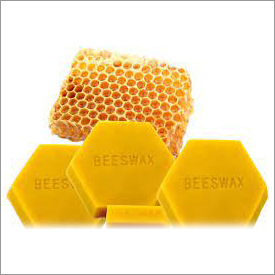
Bees Wax
Minimum Order Quantity : 25 Kilograms
Shelf Life : 23 years (proper storage)
Type : Other
Structural Formula : Complex Mixture of Esters, Acids, and Hydrocarbons
Storage : Other, Cool, Dry Place
Physical Form : Other, Blocks, Pellets
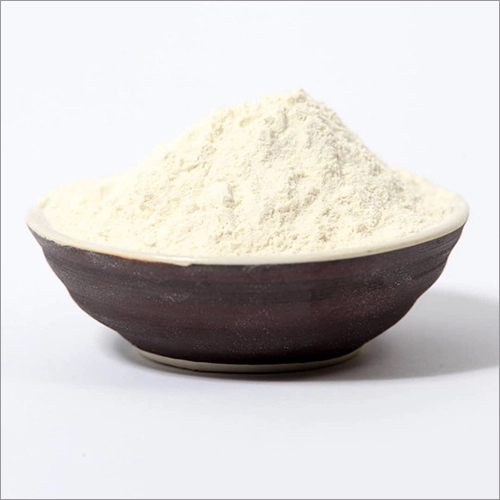
Guar Gum
Minimum Order Quantity : 25 Kilograms
Shelf Life : 24 months
Type : Other
Structural Formula : (C6H10O5)n
Storage : Other, Cool, dry place; tightly sealed
Physical Form : Powder
Salicylic Acid
Minimum Order Quantity : 25 Kilograms
Shelf Life : 2 Years
Type : Other
Structural Formula : C6H4(OH)CO2H
Storage : Other, Cool and dry place
Physical Form : Powder
Vee Gum Plain
Minimum Order Quantity : 25 Kilograms
Shelf Life : 3 years
Type : Other
Structural Formula : Layered silicate structure
Storage : Other, Store in a cool, dry place. Keep container tightly closed.
Physical Form : Solid

We deal only in bulk orders.
Contact Details
GAYATRI DYES & CHEMICALS
GST : 07AAAFG3794R1ZQ
- Office No. 2339, Tilak Bazar, Delhi - 110006, India
- Phone :08071931401
 Send Inquiry
Developed and Managed by Infocom Network Private Limited.


