
Call: 08071931401
 Send Inquiry
 Send Inquiry
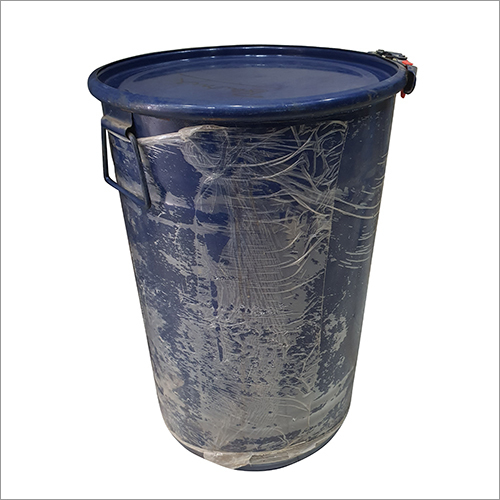
Silicon Wax
MOQ : 25 Kilograms
Silicon Wax Specification
- Structural Formula
- [Si(CH3)2O]n
- Ph Level
- Neutral
- Shape
- Block / Flake
- Poisonous
- No
- Smell
- Odorless
- Melting Point
- 50-65C
- Physical Form
- Solid
- Shelf Life
- 2 years
- Molecular Weight
- Variable (depending on polymerization)
- Taste
- Odorless
- Other Names
- Silicone Wax
- Particle Size
- Micro fine
- Boiling point
- >300C
- Solubility
- Insoluble in water
- Density
- 1.02 Gram per cubic centimeter(g/cm3)
- Molecular Formula
- (C2H6OSi)n
- Grade
- Technical
- Chemical Name
- Silicon Wax
- CAS No
- 541-02-6
- Type
- Other
- Color
- Colorless
- EINECS No
- 203-505-9
- Purity(%)
- 99%
- Storage
- Cool and dry place
- Appearance
- Solid wax
- Environmental Impact
- Non-toxic, Eco-friendly
- Surface Finish
- Glossy finish
- Reactivity
- Stable under normal conditions
- Thermal Stability
- Excellent
- Storage Instructions
- Keep container tightly closed
- Compatibility
- Compatible with most organic solvents
- Vapor Pressure
- Negligible
- Packaging
- 25 kg HDPE bag
- Main Ingredient
- Polydimethylsiloxane
- Flash Point
- >240C
- Water Repellency
- High
- Processing Temperature
- Preferred 50-70C
- Electrical Conductivity
- Non-conductive
Silicon Wax Trade Information
- Minimum Order Quantity
- 25 Kilograms
- Supply Ability
- 5000 Kilograms Per Month
- Delivery Time
- 5 Days
Silicon Wax About
Silicon Wax is formed in an elastomer gel used as a base product. It is normally used to ad din various types of cosmetic products which includes sunscreen lotions, sunscreen gels, eye linear, mascara, face primer etc. It is highly beneficial for its sensory enhancer and rheology modifier. Silicon Wax is also aid to utilized as lubricants and internal lubricants for plastics. It is helpful to improve lubricity or to lower the surface tension. It is also able to form a clear liquid with a viscosity.
It is a elastomer gel used as a base product in many of the cosmetics products such as
- FACE PRIMER
- SUNSCREEN LOTIONS AND GELS
- GEL PERFUMES ,
- EYE LINER AND MASCARA.
Benefits:
- Sensory enhancer
- Rheology modifier
- Matte appearance
- Volatile carrier
Versatile & Highly Compatible
Silicon Wax demonstrates excellent compatibility with diverse organic solvents, making it an adaptable choice across numerous industrial applications. Its stable nature and micro fine particle size further enhance its processing efficiency in coatings, mold releases, and emulsions.
Reliable Safety and Environmental Profile
With a non-toxic, eco-friendly composition, Silicon Wax prioritizes worker safety and environmental responsibility. Its high purity and neutral pH ensure suitability for sensitive processes while minimizing health hazards and ecological impact.
Exceptional Performance in Surface Applications
Designed for high water repellency and thermal stability, Silicon Wax delivers a durable, glossy finish. Its solid, odorless form and non-conductive nature make it ideal for enhancing, protecting, and releasing surfaces in demanding industrial environments.
FAQ's of Silicon Wax:
Q: How should Silicon Wax be applied for optimal surface protection or as a release agent?
A: Silicon Wax is best used by heating it to its preferred processing temperature of 50-70C, then applying it evenly to the desired surface via spray, brush, or roller. For release agent applications, ensure the surface is clean and dry before application to maximize effectiveness and achieve a uniform, glossy finish.Q: What are the primary benefits of using Silicon Wax in industrial applications?
A: The key benefits of Silicon Wax include excellent thermal and chemical stability, high water repellency, non-conductivity, and compatibility with most organic solvents. These properties make it ideal for surface protection, lubrication, mold release, and enhancing surface finish with a durable, glossy layer.Q: Where should Silicon Wax be stored to retain its quality and shelf life?
A: Store Silicon Wax in a cool, dry place in its original, tightly closed 25 kg HDPE bag. Avoid exposure to direct sunlight, excessive heat, and moisture to maintain its 2-year shelf life and ensure product integrity throughout storage.Q: When is Silicone Wax most effective during processing?
A: Silicon Wax performs optimally when processed within its recommended melting range of 50-70C. Heating it within this window ensures proper melting and ease of application, resulting in consistent surface coverage and effective performance.Q: What makes Silicon Wax environmentally friendly and safe for industrial use?
A: Silicon Wax is non-toxic, odorless, and does not release harmful emissions or residues during use. Its neutral pH and eco-friendly formulation make it suitable for environmentally conscious operations and workplaces focused on safety.Q: How can Silicon Wax be used in coatings and emulsions?
A: Silicon Wax can be incorporated into coating and emulsion formulas due to its high compatibility with organic solvents and stability under process conditions. It improves surface gloss, durability, and water resistance in finished products, enhancing final performance.Q: What steps should be followed for safe handling and disposal of Silicon Wax?
A: Always handle Silicon Wax using standard industrial safety procedures. Wear gloves and eye protection if direct handling is required. Dispose of any unused or waste material according to local regulations for non-hazardous, non-toxic chemicals, as it poses minimal environmental risk.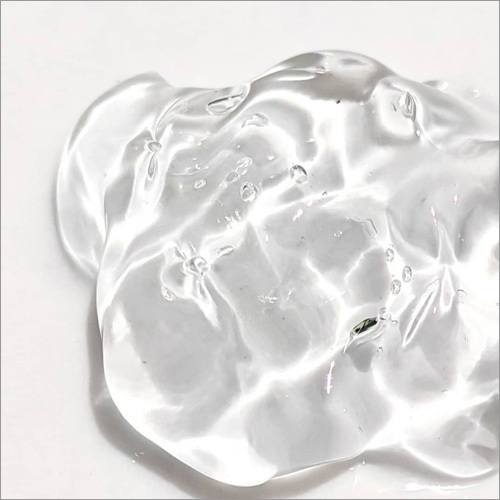
Tell us about your requirement

Price:
Quantity
Select Unit
- 50
- 100
- 200
- 250
- 500
- 1000+
Additional detail
Mobile number
Email

More Products in Colour Cosmetics Category
Cyclopentasiloxane and Dimethicone Crosspolymer
Minimum Order Quantity : 25 Kilograms
Shelf Life : 24 months
Storage : Other, Store in a cool, dry place, sealed container
Type : Other
Purity(%) : >99%
Physical Form : Other, Gel
Trimethylsiloxysilicate TMS
Minimum Order Quantity : 25 Kilograms
Shelf Life : 2 years
Storage : Other, Store in a cool, dry place, away from sunlight
Type : Other
Purity(%) : 99%
Physical Form : Liquid
DC 5612-5610 - PEG 10 Dimethicone
Minimum Order Quantity : 25 Kilograms
Shelf Life : 24 Months
Storage : Other, Cool, dry place away from sunlight
Type : Other
Purity(%) : 98.0%
Physical Form : Liquid
Hectrolite Gel
Minimum Order Quantity : 25 Kilograms
Shelf Life : 12 months
Storage : Other, Keep in a dry place
Type : Other
Purity(%) : 99
Physical Form : Other, Gel

We deal only in bulk orders.
Contact Details
GAYATRI DYES & CHEMICALS
GST : 07AAAFG3794R1ZQ
- Office No. 2339, Tilak Bazar, Delhi - 110006, India
- Phone :08071931401
 Send Inquiry
Developed and Managed by Infocom Network Private Limited.


