
Call: 08071931401
 Send Inquiry
 Send Inquiry
Poly Vinyl Alcohol
MOQ : 25 Kilograms
Poly Vinyl Alcohol Specification
- Physical Form
- Powder / Granular
- Molecular Formula
- (C2H4O)n
- Poisonous
- Non-poisonous
- Particle Size
- 80200 mesh
- Other Names
- PVA
- Melting Point
- 200230C (decomposes)
- Ph Level
- 5.07.0 (1% solution)
- Shape
- Fine powder / Granules
- Boiling point
- Not applicable (decomposes before boiling)
- Structural Formula
- [CH2CH(OH)]n
- Density
- 1.31 Gram per cubic centimeter(g/cm3)
- Solubility
- Soluble in water
- Molecular Weight
- 44.05 (repeating unit)
- Grade
- Industrial Grade
- Taste
- Odorless
- Smell
- Odorless
- Shelf Life
- 12 Months
- Chemical Name
- Poly Vinyl Alcohol
- CAS No
- 541-02-6
- Type
- Other
- Color
- Colorless
- EINECS No
- 209-183-3
- Purity(%)
- 98-99%
- Storage
- Cool and dry place, well sealed
- Appearance
- White powder / Granules
- pH of Aqueous Solution
- 5.07.0
- Bulk Density
- 0.350.55 g/cm
- Compatibility
- Compatible with starch, gelatin, and other synthetic resins
- Film Forming
- Excellent
- Refractive Index
- 1.491.51
- Hydrolysis Degree
- Fully hydrolyzed (9899%) or partially hydrolyzed (8789%)
- Viscosity (4% Solution at 20C)
- 4-60 mPas (depending on grade)
- Moisture Content (%)
- 5.0
- Flammability
- Non-flammable
- Biodegradability
- Biodegradable
- Packing
- 25 kg, 50 kg bags
- Ash Content (%)
- 0.5
- Toxicity
- Non-toxic
Poly Vinyl Alcohol Trade Information
- Minimum Order Quantity
- 25 Kilograms
- Supply Ability
- 5000 Kilograms Per Month
- Delivery Time
- 5 Days
Poly Vinyl Alcohol About
We are successfully meeting the requirements of our clients by offering the best quality range of Poly Vinyl Alcohol. It is a simple addition polymer. This alcohol is insoluble in all other organic solvents. It is featured for its odourless, translucent and tasteless cream. Poly Vinyl Alcohol is formed in a white appearance and occurred in a powder form texture. It is used in sizing agents that give greater strength to textile yarns. It is suitable in the paper, food packaging and others.
Polyvinyl alcohol or PVA is a simple addition polymer.It is available both in HOT n COLD with us. It is water-soluble and slightly soluble in ethanol and insoluble in all other organic solvents, odorless, translucent, tasteless cream or white in appearance and it is available in a granular powder form. It is nontoxic; it has high tensile strength and flexibility, as well as high oxygen and aroma barrier properties.
This chemical is used as a moisture barrier film for food supplement tablets and for foods that contain inclusions that need to be protected from absorbing moistures from the air. Polyvinyl alcohol has excellent film forming, emulsifying and adhesive properties. It is also resistant to oil, grease and solvents, but increase its elongation and tear strength. A capturing point in this polymer is fully degradable and dissolves quickly.
Polyvinyl alcohol may be used in high moisture foods in order to retain the overall satisfactory taste, texture and quality of the foods. Confectionery products may also contain polyvinyl alcohol in order to preserve the integrity of the moisture sensitive constituents.
Grade Available:- Both HOT n COLD
Packing Available :-1kg n 20kg
Versatile Industrial Applications
Poly Vinyl Alcohol (PVA) stands out for its adaptability in diverse industries, including textiles, adhesives, and paper. Its strong film-forming capability and compatibility with other resins make it a preferred choice in advanced manufacturing processes. PVA's water solubility and biodegradability ensure sustainable usage, aligning with modern environmental requirements.
Safety and Compatibility
PVA is a non-toxic, non-flammable, and odorless polymer, enabling safe handling in industrial environments. It demonstrates excellent compatibility with starch, gelatin, and synthetic resins, allowing seamless integration into varied formulations without compromising safety or performance.
Superior Performance Characteristics
With a high purity range (98-99%), low ash content (0.5%), and pH-adjusted aqueous solutions, PVA delivers reliable quality. Its fine particle size (80-200 mesh) and consistent bulk density make it easy to blend. Excellent moisture resistance and film-forming attributes ensure optimal results for adhesives, coatings, and more.
FAQ's of Poly Vinyl Alcohol:
Q: How is Poly Vinyl Alcohol commonly used in industrial applications?
A: Poly Vinyl Alcohol (PVA) is widely used in textile sizing, adhesives, paper coatings, emulsion polymerization, and construction. Its film-forming ability and water solubility make it ideal for applications where strong, flexible, and durable films or coatings are necessary.Q: What are the storage recommendations and shelf life for PVA?
A: PVA should be stored in a cool, dry place, sealed tightly to prevent moisture absorption. Under proper storage conditions, the shelf life is approximately 12 months from the date of manufacture, ensuring consistent quality and performance.Q: When should I choose fully hydrolyzed versus partially hydrolyzed PVA?
A: Fully hydrolyzed PVA (98-99%) is typically selected for applications requiring higher water resistance and superior film strength, while partially hydrolyzed PVA (87-89%) is preferred when faster dissolution and increased solubility are desired, particularly in cold water.Q: Is PVA safe and environmentally friendly to use?
A: Yes, PVA is non-toxic, non-flammable, odorless, and non-poisonous. It is also biodegradable and does not pose significant environmental hazards, making it a sustainable option for industrial applications.Q: Where can I use PVA for optimal results?
A: PVA is effective in textile processing, paper manufacturing, adhesive formulations, and emulsion polymerization. Its compatibility with starch, gelatin, and other resins enhances performance in these fields, contributing to strong, flexible, and moisture-resistant end products.Q: What is the process for dissolving PVA in water?
A: To dissolve PVA, gradually add the powder or granules to water while stirring continuously. Heating the water (up to 80-90C) accelerates dissolution and creates a homogeneous solution. Avoid exceeding recommended concentrations to maintain optimal viscosity and film-forming properties.Q: What benefits does PVA offer compared to other industrial polymers?
A: PVA provides excellent film formation, strong adhesive strength, high purity, and non-toxic attributes. Its biodegradability and compatibility with natural and synthetic polymers give it an edge in sustainable and high-performance applications across various sectors.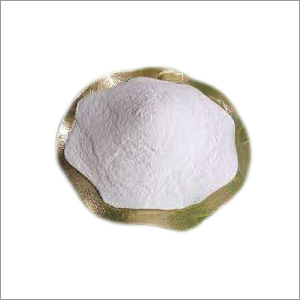
Tell us about your requirement

Price:
Quantity
Select Unit
- 50
- 100
- 200
- 250
- 500
- 1000+
Additional detail
Mobile number
Email

More Products in Liquid Sindoor Chemicals Category
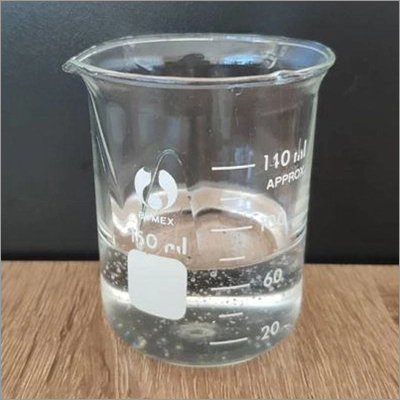
Alphox 200
Minimum Order Quantity : 25 Kilograms
Storage : Other, Store in a cool, dry place; keep container tightly closed
Other Names : Nonylphenol Ethoxylate, NPE
Poisonous : No
Physical Form : Liquid
Purity(%) : 99%
Solvent Chemicals
Minimum Order Quantity : 25 Kilograms
Storage : Other, Cool, Dry Place; Keep Container Tightly Closed
Other Names : Organic Solvent Mixture
Poisonous : Yes
Physical Form : Liquid
Purity(%) : 99%
Proplene Glycol
Minimum Order Quantity : 25 Kilograms
Storage : Other, Store in a cool, dry place
Other Names : 1,2Propanediol
Poisonous : No
Physical Form : Liquid
Purity(%) : 99.5%
Glycerine Chemical
Minimum Order Quantity : 25 Kilograms
Storage : Other, Cool and dry place
Other Names : Glycerol
Poisonous : No
Physical Form : Liquid
Purity(%) : 99.5%

We deal only in bulk orders.
Contact Details
GAYATRI DYES & CHEMICALS
GST : 07AAAFG3794R1ZQ
- Office No. 2339, Tilak Bazar, Delhi - 110006, India
- Phone :08071931401
 Send Inquiry
Developed and Managed by Infocom Network Private Limited.


