
Call: 08071931401
 Send Inquiry
 Send Inquiry
PEG 400
MOQ : 25 Kilograms
PEG 400 Specification
- Molecular Formula
- C2nH4n+2On+1 (approx. C8H18O5 for n~8)
- Grade
- Pharmaceutical / Industrial
- Solubility
- Miscible with water and solvents
- Structural Formula
- HO(CH2CH2O)nH
- Boiling point
- 250C (decomposes)
- Shelf Life
- 2 years
- Molecular Weight
- 380420 g/mol
- Taste
- Slightly sweet
- Melting Point
- 4 to 8C
- Physical Form
- Liquid
- Density
- 1.127 Gram per cubic centimeter(g/cm3)
- Poisonous
- Non-toxic
- Ph Level
- 5.5-7.0 (in water 5-10%)
- Other Names
- PEG 400, Polyoxyethylene Glycol 400
- Smell
- Odorless
- Chemical Name
- Polyethylene Glycol 400
- CAS No
- 541-02-6
- Type
- Other
- Color
- Colorless
- EINECS No
- 500-038-2
- Purity(%)
- 99% min
- Storage
- Store in tightly closed containers, in a cool, dry, well-ventilated area
- Appearance
- Clear, viscous liquid
- Biodegradability
- Readily biodegradable
- Stability
- Stable under recommended conditions
- Flash Point
- > 200C (closed cup)
- Compatibility
- Compatible with a wide range of organic and inorganic compounds
- Packaging
- Drums, IBC tanks, bulk
- Refractive Index
- 1.457 1.459 at 20C
- Viscosity
- 7090 cP at 25C
- Hazard Classification
- Not classified as hazardous according to GHS
- Ecotoxicity
- Non-hazardous to aquatic life
PEG 400 Trade Information
- Minimum Order Quantity
- 25 Kilograms
- Supply Ability
- 5000 Kilograms Per Month
- Delivery Time
- 5 Days
PEG 400 About
PEG 400 is ideally used to relieve dry and irritated eyes. It is a medication which gives a relieve from dry eyes which cause through air conditioning, computer use, reading books, sun, wind and others. PEG 400 is a toxic to retina and it should not be used as a vehicle in the eye. It is also added as a drug formulation in polymer. It ensures an excellent oil, water soluble detergents and cleaning and dispersing agents. It is applicable in the detergent, agrochemical, clothing and other industries.
Commonly called 9.5 moles and emulsifier
Alkyl phenol ethoxylates. These Surfactants are excellent oil / water soluble detergents, emulsifiers / co-emulsifiers, wetting / cleaning and dispersing agents and intermediates for sulphation. They find application in the textile, detergent, agrochemical, emulsion polymerisation and paint industries.
Alphox 200 is an ethylene oxide condensate of alkyl phenol. It is a pale coloured liquid soluble in water, vegetable oil, alcohol, Glycol ethers, chloroform but insoluble in mineral oil and kerosene. The product is made in the plant with the fully automated DCS system which ensures consistent quality of Alphox.
Exceptional Versatility
PEG 400 is widely recognized for its adaptability across pharmaceutical, cosmetic, and industrial applications. Its broad compatibility with both organic and inorganic substances, paired with excellent solubility and stability, ensures reliable performance as a binder, lubricant, dispersing agent, and more. This makes it the preferred choice for manufacturers and formulators seeking a trusted multifunctional ingredient.
Safe and Environmentally Friendly
Classified as non-hazardous according to GHS and non-toxic for aquatic environments, PEG 400 meets global safety and environmental standards. Its ready biodegradability further supports sustainable practices without compromising on product effectiveness or safety for users.
FAQ's of PEG 400:
Q: How is PEG 400 typically used in the pharmaceutical and cosmetic industries?
A: PEG 400 serves various functions such as a solubilizer, humectant, ointment base, lubricant, dispersing agent, and binder. Its unique chemical profile allows it to enhance texture, moisture retention, stability, and active ingredient delivery in a wide range of formulations.Q: What benefits does PEG 400 offer in industrial applications?
A: PEG 400 is valued for its compatibility with numerous compounds and solvents, making it ideal as a dispersing agent, binder, or lubricant in diverse manufacturing processes. Its clear, viscous liquid form and stability ensure consistent, high-performing results across different settings.Q: When should PEG 400 be used over other polyethylene glycols?
A: PEG 400 is selected when moderate molecular weight and a liquid form are essential, particularly for pharmaceutical, cosmetic, or industrial products requiring solubility, compatibility, and ease of mixing. Its viscosity and other properties make it advantageous for applications where flow and spreadability are crucial.Q: Where can PEG 400 be sourced, and what packaging options are available?
A: PEG 400 is available from distributors, manufacturers, suppliers, and traders throughout India. It can be purchased in drums, IBC tanks, or bulk packaging to accommodate varying scale requirements.Q: What measures should be taken for the safe storage of PEG 400?
A: PEG 400 should be stored in tightly closed containers placed in cool, dry, and well-ventilated areas. Following the recommended storage conditions helps maintain its quality and stability throughout its two-year shelf life.Q: How does the manufacturing or handling process ensure PEG 400's safety and stability?
A: PEG 400 is manufactured under controlled conditions to meet pharmaceutical and industrial grades, ensuring high purity and stability. The product's packaging and recommended storage procedures further protect against contamination and degradation, keeping it safe, non-toxic, and effective.Q: What is the advantage of PEG 400's environmental profile?
A: PEG 400 is classified as non-hazardous to aquatic life and readily biodegradable. This means it supports eco-friendly applications without posing risks to the environment, making it suitable for green product development.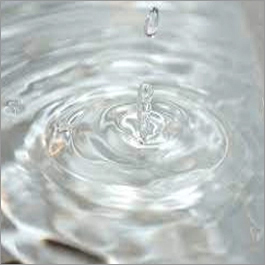
Tell us about your requirement

Price:
Quantity
Select Unit
- 50
- 100
- 200
- 250
- 500
- 1000+
Additional detail
Mobile number
Email

More Products in Liquid Sindoor Chemicals Category
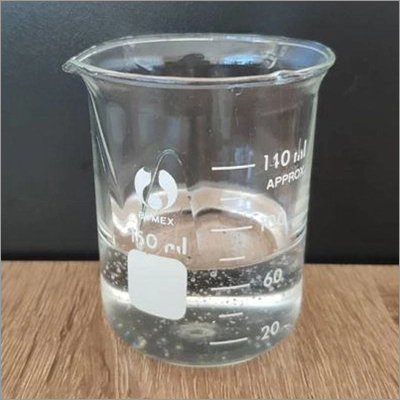
Alphox 200
Minimum Order Quantity : 25 Kilograms
Smell : Other, Mild or odorless
Other Names : Nonylphenol Ethoxylate, NPE
Poisonous : No
CAS No : 541026
Purity(%) : 99%
Solvent Chemicals
Minimum Order Quantity : 25 Kilograms
Smell : Other, Mild Solvent Odor
Other Names : Organic Solvent Mixture
Poisonous : Yes
CAS No : 541026
Purity(%) : 99%
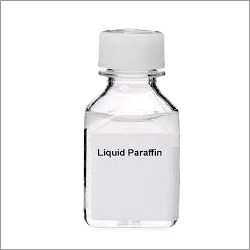
Light Liquid Paraffin
Minimum Order Quantity : 25 Kilograms
Smell : Other, Odourless
Other Names : White Mineral Oil, Paraffin Oil
Poisonous : Other, Nonpoisonous
CAS No : 541026
Purity(%) : 99%
Proplene Glycol
Minimum Order Quantity : 25 Kilograms
Smell : Other, Odorless
Other Names : 1,2Propanediol
Poisonous : No
CAS No : 541026
Purity(%) : 99.5%

We deal only in bulk orders.
Contact Details
GAYATRI DYES & CHEMICALS
GST : 07AAAFG3794R1ZQ
- Office No. 2339, Tilak Bazar, Delhi - 110006, India
- Phone :08071931401
 Send Inquiry
Developed and Managed by Infocom Network Private Limited.


