
Call: 08071931401
 Send Inquiry
 Send Inquiry
Colorless Butylated Hydroxytoluene
MOQ : 25 Kilograms
Colorless Butylated Hydroxytoluene Specification
- Other Names
- BHT, 2,6-Di-tert-butyl-4-methylphenol
- Physical Form
- Solid
- Molecular Formula
- C15H24O
- Shape
- Powder/Crystalline
- Density
- 1.05 Gram per cubic centimeter(g/cm3)
- Poisonous
- Non-poisonous in permitted concentration
- Particle Size
- Customized as per requirement
- Molecular Weight
- 220.35 g/mol Grams (g)
- Shelf Life
- Typically 2 years Years
- Ph Level
- 7 (neutral in solution)
- Melting Point
- 69-70 C
- Boiling point
- 265 C
- Grade
- Industrial, Food, and Pharmaceutical Grade
- Smell
- Mild phenolic odor
- Solubility
- Slightly soluble in water, soluble in organic solvents
- Structural Formula
- (CH3)3C6H2(CH3)C6H2(C(CH3)3)OH
- Taste
- Bland
- Chemical Name
- Butylated Hydroxy Toulene
- CAS No
- 541-02-6
- Type
- Other
- Color
- Colorless
- EINECS No
- 204-881-4
- Purity(%)
- 99%
- Storage
- Store in cool, dry and well-ventilated area, away from incompatible substances
- Appearance
- Crystalline powder
- Vapor Pressure
- 6.65 x 10 Pa at 25 C
- Incompatibilities
- Strong oxidizers, acids
- Refractive Index
- 1.501
- Hazard Class
- Not classified as hazardous under normal use
- Stability
- Stable under recommended storage conditions
- LogP (octanol/water)
- 5.1
- Flash Point
- 127 C (Closed cup)
- Packaging Type
- HDPE bags/drums, fiberboard drums available
- Odor Threshold
- Approximately 0.03 ppm
Colorless Butylated Hydroxytoluene Trade Information
- Minimum Order Quantity
- 25 Kilograms
- Supply Ability
- 5000 Kilograms Per Month
- Delivery Time
- 5 Days
Colorless Butylated Hydroxytoluene About
Our firm is highly esteemed in providing a wide variety of Butylated Hydroxy Toulene at reasonable rates. It is a lab-made chemical that is added to foods as a preservative. It is used to treat genital herpes and acquired immunodeficiency syndrome. Butylated Hydroxy Toulene is also aid to apply BHT directly to the skin for cold sores. It is mostly added in cosmetic products as it does not pose a risk to skin. It is suitable in packaging food.
BHT stands for butylated hydroxytoluene, it is a preservative and antioxidant that is used in skincare and cosmetic formulations to stabilize the formulation and prevent oxidation.
BHT is a lipophilic or fat-soluble ingredient that is generally synthetically produced. While BHT is produced naturally by phytoplankton, green algae, and three different types of cyanobacteria, it is more sustainable and cost-effective to synthetically produce the ingredient.
BHT is used in several cosmetic and skincare products, particularly formulations containing oil and fats in a water base. As BHT is an antioxidant it is used to stabilize and protect the key ingredients from deterioration. Unlike many other natural antioxidants, BHT can resist high temperatures, making it useful in the manufacturing process of products as well.
Youall find BHT primarily in makeup products such as eyeliner, lipstick, blush, and foundation, but you can also find it in various other cosmetic products like moisturizers, cleansers, and perfume. BHT also has applications as an antioxidant in foods that contain fats and oils, or in packaging material for fat-containing foods.
Broad Applications Across Industries
BHT serves as a highly effective antioxidant and preservative, safeguarding products against degradation. Its applications extend from food and animal feed preservation to stabilizing cosmetics, pharmaceuticals, rubber, and oils. Available in industrial, food, and pharmaceutical grades, it is suitable for a wide spectrum of manufacturing requirements.
Reliable Stability and Safe Handling
Butylated Hydroxy Toulene remains stable under recommended storage conditions-cool, dry, and well-ventilated areas away from acids and strong oxidizers. It features a shelf life of about two years and does not pose health hazards when used as directed. Non-poisonous at permitted concentrations, it combines efficacy with safety in daily use.
FAQ's of Butylated Hydroxy Toulene:
Q: How is Butylated Hydroxy Toulene typically used in the food and cosmetic industries?
A: Butylated Hydroxy Toulene is added as an antioxidant to prevent oxidation in products such as food oils, cereals, processed foods, and various cosmetic formulations. This use extends product shelf life and maintains quality by reducing rancidity and spoilage.Q: What are the recommended storage conditions for Butylated Hydroxy Toulene?
A: BHT should be stored in a cool, dry, and well-ventilated area, away from incompatible substances like strong oxidizers and acids. Proper storage ensures the product remains stable and retains its effectiveness throughout its two-year shelf life.Q: When should BHT be avoided or handled with caution?
A: BHT should not be mixed with strong oxidizers or acids, as this can lead to incompatibility risks. Always follow manufacturer instructions and safety guidelines, even though it is not classified as hazardous under normal usage.Q: Where is Butylated Hydroxy Toulene most commonly distributed and supplied?
A: BHT is available from distributors, manufacturers, suppliers, and traders throughout India and internationally. It is supplied in HDPE bags, drums, or fiberboard drums, catering to both large-scale and specialized needs.Q: What is the process for incorporating BHT into industrial applications?
A: BHT is typically blended into products during manufacturing to protect against oxidation. The specific process varies by industry but often involves dissolving it in oils or mixing it with raw materials to ensure uniform distribution and effective preservation.Q: What are the key benefits of using Butylated Hydroxy Toulene as an antioxidant?
A: The primary benefit of BHT is its ability to prevent oxidative damage, thereby prolonging the shelf life of various products. It also maintains the sensory and nutritional properties of foods and protects the stability of cosmetic and pharmaceutical products.
Tell us about your requirement

Price:
Quantity
Select Unit
- 50
- 100
- 200
- 250
- 500
- 1000+
Additional detail
Mobile number
Email

More Products in Liquid Sindoor Chemicals Category
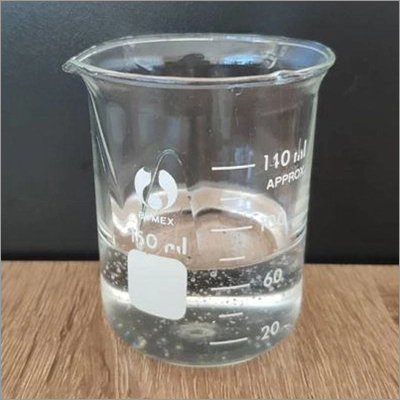
Alphox 200
Minimum Order Quantity : 25 Kilograms
Physical Form : Liquid
Other Names : Nonylphenol Ethoxylate, NPE
Poisonous : No
Appearance : Other, Clear liquid
Type : Other
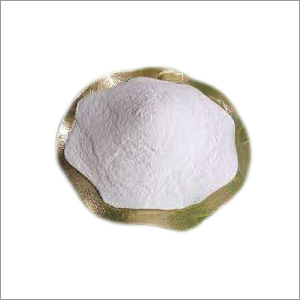
Poly Vinyl Alcohol
Minimum Order Quantity : 25 Kilograms
Physical Form : Other, Powder / Granular
Other Names : PVA
Poisonous : Other, Nonpoisonous
Appearance : Other, White powder / Granules
Type : Other
Solvent Chemicals
Minimum Order Quantity : 25 Kilograms
Physical Form : Liquid
Other Names : Organic Solvent Mixture
Poisonous : Yes
Appearance : Other, Clear Liquid
Type : Other
Glycerine Chemical
Minimum Order Quantity : 25 Kilograms
Physical Form : Liquid
Other Names : Glycerol
Poisonous : No
Appearance : Other, Clear liquid
Type : Other

We deal only in bulk orders.
Contact Details
GAYATRI DYES & CHEMICALS
GST : 07AAAFG3794R1ZQ
- Office No. 2339, Tilak Bazar, Delhi - 110006, India
- Phone :08071931401
 Send Inquiry
Developed and Managed by Infocom Network Private Limited.


