
Call: 08071931401
 Send Inquiry
 Send Inquiry
Thio Glycolic Acid
MOQ : 25 Kilograms
Thio Glycolic Acid Specification
- Molecular Formula
- C2H4O2S
- Melting Point
- -16C
- Solubility
- Miscible with water, ethanol, ether
- Boiling point
- 96C (at 20 mmHg)
- Smell
- Strong unpleasant odor (sulfurous)
- Density
- 1.326 Gram per cubic centimeter(g/cm3)
- Structural Formula
- HSCH2COOH
- Other Names
- Mercaptoacetic acid
- Shelf Life
- 1 year (under recommended storage conditions)
- Grade
- Industrial, Cosmetic, Laboratory
- Particle Size
- Not applicable (liquid)
- Ph Level
- 1.5 (1M solution)
- Poisonous
- Yes
- Molecular Weight
- 92.12 g/mol
- Taste
- Pungent, sour
- Application
- Cosmetics, pharmaceutical, industrial processing, electroplating, textile, leather treatment
- Physical Form
- Liquid
- Chemical Name
- Thio Glycolic Acid
- CAS No
- 541-02-6
- Type
- Other
- Color
- Colorless
- EINECS No
- 200-677-4
- Usage
- Used in hair perming, chemical synthesis, and electroplating
- Purity(%)
- 99%
- Storage
- Keep tightly closed in a cool, dry, well-ventilated place
- Appearance
- Clear liquid
- Hazard Class
- 6.1 (Toxic substances)
- Incompatibility
- Strong oxidizers, strong bases, reducing agents
- UN Number
- UN 2966
- Vapor Pressure
- 0.36 hPa (20C)
- Flash Point
- 113C
- Transport Information
- Handle according to local, regional and international regulations
- Stability
- Stable under recommended storage conditions
- Corrosiveness
- Corrosive to metals and tissue
- EC Number
- 200-677-4
- Refractive Index
- 1.507 (20C)
Thio Glycolic Acid Trade Information
- Minimum Order Quantity
- 25 Kilograms
- Supply Ability
- 5000 Kilograms Per Month
- Delivery Time
- 5 Days
Thio Glycolic Acid About
As a notable firm, we are offering a unique stock of Thio Glycolic Acid. It ensures a high-performance chemical containing mercaptan and carboxylic acid functionalities. Apart from this, provided acid is completely miscible in water. It is used in the gas, cosmetics, cleaning, polymerization etc. Thio Glycolic Acid forms powerful complexes with metals. It is highly effective for cleaning and corrosion inhibition. It is more efficient than classic ferric reducing agents. It controls a very high concentration of ferric iron.
Thioglycolic acid (TGA or mercaptoacetic acid, CAS 68-11-1) is a high-performance chemical containing mercaptan and carboxylic acid functionalities. TGA is completely miscible in water and is used in industries and applications as diverse as oil and gas, cosmetics, cleaning, leather processing, metals, fine chemistry and polymerization. Thioglycolic acid forms powerful complexes with metals that give it specific characteristics sought after for the assisted recovery of ore as well as for cleaning and corrosion inhibition and hair removal creams in cosmetics.
KEY BENEFITS OF TGA At temperatures above 70C common temperatures in well bores TGA is more efficient than classic ferric ion chelating agents (citric acid, acetic acid, EDTA, NTA). Moreover, TGA is more efficient than classic ferric reducing agents, such as erythorbic acid or ascorbic acid.
- TGA reduces Fe3+ (ferric) ions to chelated Fe2+ (ferrous) ions that remain in solution at pH < 7.5
- TGA is stable and efficient at low pH (TGA rapidly reduces high quantities of Fe3+)
- TGA can control very high concentrations of ferric iron up to about 10%.
INDUSTRY APPLICATIONS
Due to its mercaptan functional group, thioglycolic acid and its salts provide essential properties in a wide range of applications:
Polymerization: TGA is a very effective chain transfer agent for emulsion polymerizations in aqueous media, in particular for acrylic acid and acrylates. The total miscibility of TGA with water is a benefit in this application.
Petrochemical: The Bronsted acid characteristics of thioglycolic acid and its thiol functionality make it a chemical of choice for the preparation or regeneration of metal catalysts for hydrodesulfurization.
Cosmetics: The salts of thioglycolic acid are used to formulate hair treatments, specialty hair styling products, and in the preparation of depilatory creams. The main salts are ammonium, calcium and potassium thioglycolate or its disulfide salts. In some formulations, glyceryl monothioglycolate is also used.
Leather Processing: Alkaline sodium thioglycolate is used in removal of hair from leather hides. It minimizes wastewater treatment costs as compared to the more toxic and harmful sodium hydrosulfide
Versatile Industrial and Cosmetic Ingredient
Thio Glycolic Acid stands out for its broad application in numerous industries, such as cosmetics, pharmaceuticals, textile processing, and electroplating. Its effectiveness in hair perming formulas and as a reducing agent in chemical synthesis highlights its versatility. The compound is supplied as a high-purity liquid graded for industrial, laboratory, and cosmetic uses.
Critical Safety and Storage Guidelines
Due to its toxic and corrosive nature, Thio Glycolic Acid demands stringent safety measures. Always store the product tightly sealed in a cool, dry, and well-ventilated space, away from incompatible materials like strong oxidizers and bases. Proper handling and adherence to local and international regulations are essential during transport and use.
FAQ's of Thio Glycolic Acid:
Q: How should Thio Glycolic Acid be safely stored and handled?
A: Thio Glycolic Acid must be stored in tightly closed containers in a cool, dry, well-ventilated place. Handle with appropriate personal protective equipment and follow established safety protocols to prevent exposure, as the substance is both toxic and corrosive. Avoid contact with incompatible materials, such as strong oxidizers, strong bases, and reducing agents.Q: What are the primary uses of Thio Glycolic Acid?
A: Thio Glycolic Acid is extensively used in cosmetic products (notably in hair perming treatments), chemical synthesis, pharmaceutical applications, electroplating processes, and in treating textiles and leather. Its reducing properties and miscibility with water make it valuable across these industries.Q: When does Thio Glycolic Acid become hazardous, and what precautions should be taken?
A: The substance is hazardous due to its toxicity (Hazard Class 6.1) and corrosiveness. Use proper safety gear, including gloves and eye protection, and ensure good ventilation. In case of a spill or exposure, follow emergency protocols and seek medical attention immediately.Q: Where can Thio Glycolic Acid be sourced in India?
A: Manufacturers, suppliers, distributors, and traders throughout India provide Thio Glycolic Acid for industrial, laboratory, and cosmetic use. Ensure the supplier complies with regulatory and quality standards.Q: What is the benefit of using Thio Glycolic Acid in hair perming and electroplating?
A: In hair perming, its reducing action effectively breaks down disulfide bonds to reshape the hair. In electroplating, it acts as a complexing agent, facilitating uniform metal deposition and improved finish quality.Q: How stable is Thio Glycolic Acid during storage and what is its shelf life?
A: Thio Glycolic Acid is stable under recommended storage conditions-cool, dry, and properly sealed. Its shelf life is generally one year when these conditions are maintained.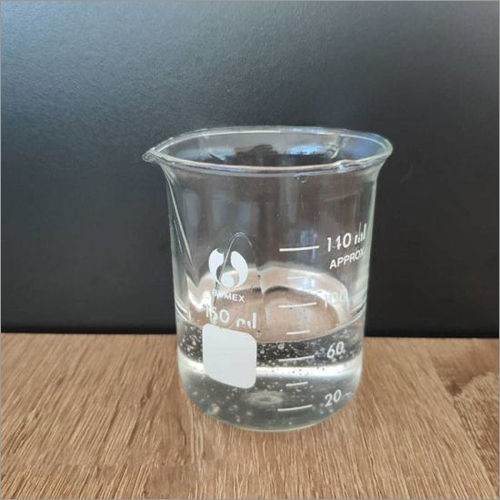
Tell us about your requirement

Price:
Quantity
Select Unit
- 50
- 100
- 200
- 250
- 500
- 1000+
Additional detail
Mobile number
Email

More Products in Hair Removal Chemicals Category
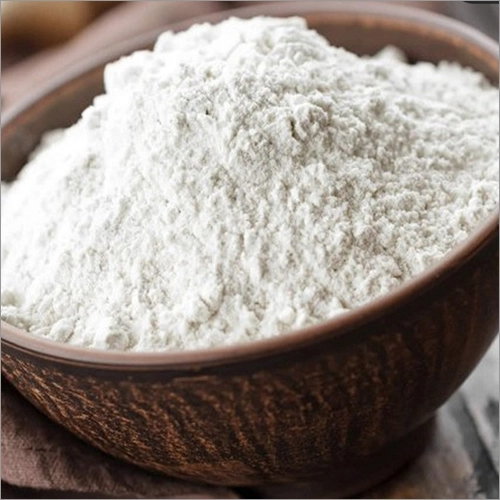
100% Organic Kaolin Clay Powder
Minimum Order Quantity : 25 Kilograms
Structural Formula : Al2O32SiO22H2O
Density : 2.6 Gram per cubic centimeter(g/cm3)
Shelf Life : 24 months (from manufacturing date)
Other Names : China Clay, White Clay
EINECS No : 3101941
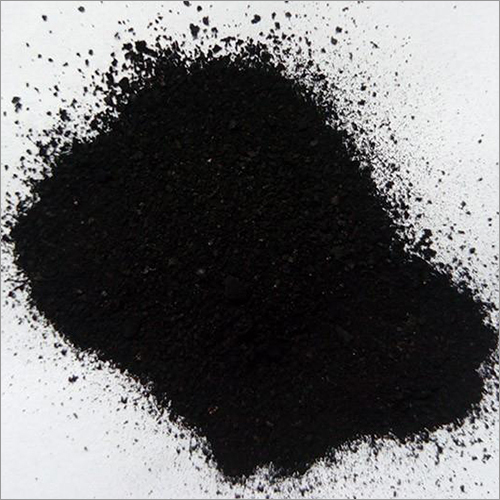
Barium Sulphide
Minimum Order Quantity : 25 Kilograms
Structural Formula : BaS
Density : 4.25 Gram per cubic centimeter(g/cm3)
Shelf Life : 24 months, if stored properly
Other Names : Baryum Sulfide, Sulfide de Baryum
EINECS No : 2449931
Hydrated Lime Powder
Minimum Order Quantity : 25 Kilograms
Structural Formula : Ca(OH)2
Density : 2.24 Gram per cubic centimeter(g/cm3)
Shelf Life : 1224 months in sealed packaging
Other Names : Calcium hydroxide, Slaked lime, Ca(OH)2
EINECS No : 2151373
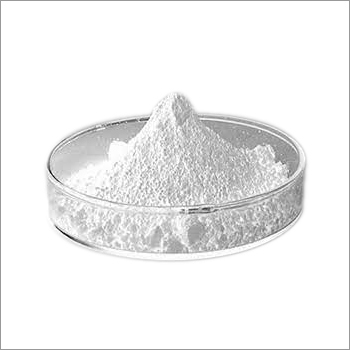
Zinc Oxide
Minimum Order Quantity : 25 Kilograms
Structural Formula : Zn=O
Density : 5.606 Gram per cubic centimeter(g/cm3)
Shelf Life : 5 years when stored properly
Other Names : ZnO, Philosophers Wool
EINECS No : 2152225

We deal only in bulk orders.
Contact Details
GAYATRI DYES & CHEMICALS
GST : 07AAAFG3794R1ZQ
- Office No. 2339, Tilak Bazar, Delhi - 110006, India
- Phone :08071931401
 Send Inquiry
Developed and Managed by Infocom Network Private Limited.


