
Call: 08071931401
 Send Inquiry
 Send Inquiry
Propylene Glycol (C3H8O2)
MOQ : 25 Kilograms
Propylene Glycol (C3H8O2) Specification
- Structural Formula
- CH3CHOHCH2OH
- Molecular Formula
- C3H8O2
- Boiling point
- 188.2 C
- Grade
- USP, Food Grade, Industrial Grade
- Other Names
- 1,2-Propanediol
- Shelf Life
- 24 months Months
- Ph Level
- 6 - 7.5
- Poisonous
- Non-toxic
- Melting Point
- 59 C
- Molecular Weight
- 76.09 g/mol Grams (g)
- Density
- 1.036 Gram per cubic centimeter(g/cm3)
- Taste
- Slightly sweet
- Smell
- Odorless
- Physical Form
- Liquid
- Solubility
- Miscible with water, acetone, and chloroform
- Chemical Name
- Propylene Glycol
- CAS No
- 541-02-6
- Type
- Other
- Color
- Colorless
- EINECS No
- 200-338-0
- Purity(%)
- 99.5%
- Storage
- Cool and dry place, tightly sealed
- Appearance
- Clear liquid
- Refractive Index
- 1.4318 at 20C
- Packing
- 215 kg drum / 1100 kg IBC / Bulk
- Flash Point
- 99C (Closed cup)
- Viscosity
- 58.1 mPa.s at 20C
- Hazard Identification
- Non-hazardous as per GHS classification
- Vapor Pressure
- <0.01 kPa (20C)
Propylene Glycol (C3H8O2) Trade Information
- Minimum Order Quantity
- 25 Kilograms
- Supply Ability
- 5000 Kilograms Per Month
- Delivery Time
- 5 Days
Propylene Glycol (C3H8O2) About
Propylene glycol is a synthetic food additive that belongs to the same chemical group as alcohol.
It is a colorless, odorless, slightly syrupy liquid that is a bit thicker than water.
Additionally, it can dissolve some substances better than water and is also good at retaining moisture. This makes it very useful as a food additive, so it can be found in a wide variety of processed foods and drink
Other names it is known by include:- 1,2-propanediol
USES :-
- Anti-caking agent: It helps prevent food components from sticking to one another and forming clumps, such as in dried soups or grated cheese.
- Antioxidant: It extends the shelf life of foods by protecting them against deterioration caused by oxygen.
- Carrier: It dissolves other food additives or nutrients to be used in processing, such as colors, flavors or antioxidants.
- Dough strengthener: It modifies the starches and gluten in dough to make it more stable.
- Emulsifier: It prevents food ingredients from separating, such as oil and vinegar in salad dressing.
- Moisture preserver: It helps foods maintain a stable level of moisture and stops them from drying out. Examples include marshmallows, coconut flakes and nuts.
- Processing aid: It is used to enhance the appeal or the use of a food, for example, to make a liquid clearer.
- Stabilizer and thickener: It can be used to hold food components together or thicken them during and after processing.
- Texturizer: It can change the appearance or mouthfeel of a food.
High Purity and Versatile Applications
With a purity of 99.5%, Propylene Glycol is suitable for a range of industries including pharmaceuticals, food processing, cosmetics, and various industrial processes. Its diverse properties make it an essential solvent, humectant, food additive, and antifreeze agent, ensuring consistent performance across applications.
Safety and Storage Guidelines
Propylene Glycol is classified as non-hazardous and non-toxic, making it safe for various uses when handled appropriately. For optimal shelf life and quality retention, store the product in tightly sealed containers in a cool, dry location, away from direct sunlight and sources of heat. Correct storage can maintain its properties for up to 24 months.
FAQ's of Propylene Glycol:
Q: How should Propylene Glycol be stored to maintain its quality?
A: Propylene Glycol should be kept in tightly sealed containers, stored in a cool and dry place, and protected from direct sunlight and heat sources. This ensures the product maintains its purity and remains effective for up to 24 months.Q: What are the main uses of Propylene Glycol in various industries?
A: Industrial grade Propylene Glycol serves as a solvent, humectant, food additive, and antifreeze. It is commonly used in pharmaceuticals, food and beverage production, cosmetics, and as an industrial fluid for heat transfer applications.Q: When is Propylene Glycol considered non-hazardous?
A: When classified according to the GHS (Globally Harmonized System), Propylene Glycol is considered non-hazardous due to its low toxicity, non-flammable behavior under normal usage, and minimal vapor pressure at room temperature.Q: Where can Propylene Glycol be sourced in India?
A: Propylene Glycol is widely available from distributors, manufacturers, suppliers, and traders across India. It is typically sold in 215 kg drums, 1100 kg IBCs, or in bulk shipments to accommodate various industrial needs.Q: What is the process for handling Propylene Glycol safely?
A: Handling Propylene Glycol requires wearing standard protective equipment, preventing contamination by keeping containers sealed, and avoiding direct contact with incompatible substances. Follow proper industrial hygiene practices to ensure safety.Q: Why is Propylene Glycol chosen as an ingredient in food and pharmaceuticals?
A: Owing to its high purity (USP and Food Grade), non-toxic profile, and versatile functional properties, Propylene Glycol is widely used as an additive that enhances texture, stability, and shelf life of food and pharmaceutical products.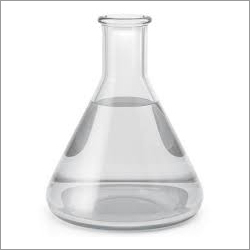
Tell us about your requirement

Price:
Quantity
Select Unit
- 50
- 100
- 200
- 250
- 500
- 1000+
Additional detail
Mobile number
Email

More Products in Bulk Stockist Category
Silicone Oil
Minimum Order Quantity : 25 Kilograms
Purity(%) : >99%
Appearance : Other, Clear, colorless, oily liquid
Melting Point : 50C to 60C
Type : Other
CAS No : 541026
Poly Propylene Glycol
Minimum Order Quantity : 25 Kilograms
Purity(%) : >99%
Appearance : Other, Viscous Liquid
Melting Point : 59C
Type : Other
CAS No : 541026
Caustic Soda
Minimum Order Quantity : 25 Kilograms
Purity(%) : 99%
Appearance : Other, Solid
Melting Point : 318C
Type : Other
CAS No : 541026
Mono Ethylene Glycol
Minimum Order Quantity : 25 Kilograms
Purity(%) : 99% Min
Appearance : Other, Clear Liquid
Melting Point : 12.9C
Type : Other
CAS No : 541026

We deal only in bulk orders.
Contact Details
GAYATRI DYES & CHEMICALS
GST : 07AAAFG3794R1ZQ
- Office No. 2339, Tilak Bazar, Delhi - 110006, India
- Phone :08071931401
 Send Inquiry
Developed and Managed by Infocom Network Private Limited.


