
Call: 08071931401
 Send Inquiry
 Send Inquiry
Mono Ethylene Glycol
MOQ : 25 Kilograms
Mono Ethylene Glycol Specification
- Taste
- Sweet
- Smell
- Odorless
- Molecular Formula
- C2H6O2
- Molecular Weight
- 62.07 g/mol
- Other Names
- Ethylene Glycol
- Grade
- Technical Grade
- Physical Form
- Liquid
- Particle Size
- Not Applicable (Liquid)
- Melting Point
- -12.9C
- Structural Formula
- HOCH2CH2OH
- Solubility
- Miscible with water
- Shelf Life
- 2 Years
- Boiling point
- 197.3C
- Ph Level
- 6.5 7.5
- Poisonous
- Yes (Toxic if ingested)
- Density
- 1.115 Gram per cubic centimeter(g/cm3)
- Chemical Name
- Mono Ethylene Glycol
- CAS No
- 541-02-6
- Type
- Other
- Color
- Colorless
- EINECS No
- 203-473-3
- Purity(%)
- 99% Min
- Storage
- Store in a cool, dry place, tightly closed container
- Appearance
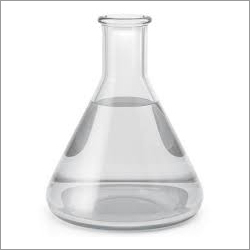
- Clear Liquid
- Viscosity
- 16.1 mPas at 25C
- Vapor Pressure
- 0.06 mmHg at 20C
- Packaging Type
- Drums, IBC Totes, Bulk
- UN Number
- UN 1171
- Refractive Index
- 1.4318 (at 20C)
- HS Code
- 29053100
- Flash Point
- 111C (Closed cup)
- Auto Ignition Temperature
- 410C
- Compatibility
- Corrosive to some metals; avoid contact with strong oxidizers
- Hazard Class
- 6.1 (Toxic substances)
Mono Ethylene Glycol Trade Information
- Minimum Order Quantity
- 25 Kilograms
- Supply Ability
- 5000 Kilograms Per Month
- Delivery Time
- 5 Days
Mono Ethylene Glycol About
By experiencing the preparing and providing a subjective scope of things in the market, here our firm is giving Mono Ethylene Glycol to our customers. This item is utilized in the clothing and other textiles for fibres treatment, paper, adhesives, printing inks, leather and cellophane. It is colourless and odourless liquid in nature which comes with a syrup-like consistency. Also, it has application in cold storage and refrigeration purposes. The provided Mono Ethylene Glycol is supplied by us at cost-effective price rate.
Mono-ethylene glycol - or MEG - is a vital ingredient for the
End uses for MEG range from clothing and other textiles, through packaging to kitchenware, engine coolants and antifreeze. Polyester and fleece fabrics, upholstery, carpets and pillows, as well as light and sturdy polyethylene terephthalate drink and food containers originate from ethylene glycol. The humectant (water attracting) properties of MEG products also make them ideal for use in fibres treatment, paper, adhesives, printing inks, leather and cellophane.
MEG is a colourless, odourless liquid with a syrup-like consistency.
MEG is used widely Cold Storage and Refrigeration Purposes.
It is also called Refrigeration chemical.
Key Properties & Safety
Mono Ethylene Glycol features a high purity (99% min) and remains clear and colorless in appearance. With a boiling point of 197.3C and a flash point of 111C (closed cup), it has a sweet taste yet is toxic if ingested. Storage in tightly closed containers, away from strong oxidizers, is essential to ensure safety and maintain quality.
Industrial Applications & Usage
MEG is widely used as an antifreeze and coolant due to its miscibility with water and stable physical characteristics. It serves as a crucial intermediate in polyester fiber and resin production and can act as a dehydrating agent. Its technical grade is preferred for industrial processes around India, distributed in varied bulk packaging.
Compatibility & Handling Precautions
While effective in many chemical formulations, Mono Ethylene Glycol is corrosive to some metals and should not come into contact with strong oxidizers. Protective equipment and careful handling are mandatory, given its classification as a toxic substance. Always refer to local regulations for transport and storage (UN 1171).
FAQ's of Mono Ethylene Glycol:
Q: How should Mono Ethylene Glycol be stored to maintain its shelf life and safety?
A: Mono Ethylene Glycol must be stored in a tightly closed container in a cool, dry place, away from strong oxidizers and incompatible metals. Proper storage conditions ensure its 2-year shelf life and reduce risks associated with its toxic and corrosive nature.Q: What industrial uses does Mono Ethylene Glycol serve?
A: This glycol is extensively used as a raw material for producing polyester fibers and resins, in antifreeze and coolant formulations, and as a dehydrating agent within various industrial operations.Q: Where can Mono Ethylene Glycol be sourced in bulk quantities in India?
A: Mono Ethylene Glycol is available from distributors, manufacturers, suppliers, and traders throughout India in packaging options such as drums, IBC totes, and bulk tankers, compliant with HS Code 29053100.Q: What benefits does using Mono Ethylene Glycol offer in antifreeze formulations?
A: The high purity, miscibility with water, and suitable viscosity make Mono Ethylene Glycol an effective base for antifreeze formulations, protecting engines against freezing temperatures and improving thermal efficiency.Q: What safety precautions are necessary during the handling and transportation of Mono Ethylene Glycol?
A: Due to its toxicity and corrosive properties, handlers must use protective equipment and avoid exposure or ingestion. For transportation, comply with international regulations for toxic substances (Hazard Class 6.1, UN 1171) and ensure packaging is secure to prevent leaks or spills.Q: When does Mono Ethylene Glycol become hazardous, and how can risks be mitigated?
A: MEG poses hazards when ingested, exposed to incompatible metals, or strong oxidizing agents. Mitigate risks by using appropriate containment, personal protective equipment, and following established safety protocols during storage and use.Q: What is the process for using Mono Ethylene Glycol in polyester resin manufacturing?
A: In polyester resin production, Mono Ethylene Glycol acts as a key reactant, combining with terephthalic acid to form polyethylene terephthalate (PET). This controlled chemical reaction under regulated temperatures ensures the creation of durable, high-quality polyester resins.
Tell us about your requirement

Price:
Quantity
Select Unit
- 50
- 100
- 200
- 250
- 500
- 1000+
Additional detail
Mobile number
Email

More Products in Bulk Stockist Category
Poly Propylene Glycol
Minimum Order Quantity : 25 Kilograms
Type : Other
Melting Point : 59C
Storage : Other, Cool, dry, and wellventilated area
Purity(%) : >99%
Appearance : Other, Viscous Liquid
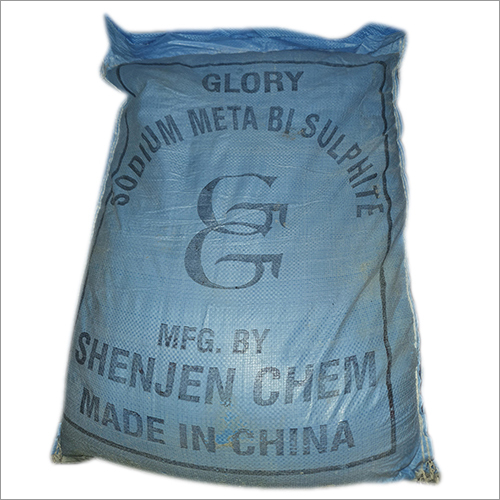
Sodium Meta Bi Sulphite
Minimum Order Quantity : 25 Kilograms
Type : Other
Melting Point : 150C (decomposes)
Storage : Other, Store in a cool, dry place; keep container tightly closed
Purity(%) : 99%
Appearance : Other, White crystalline powder
Caustic Soda
Minimum Order Quantity : 25 Kilograms
Type : Other
Melting Point : 318C
Storage : Other, Store in a cool, dry, and wellventilated area, away from incompatible substances
Purity(%) : 99%
Appearance : Other, Solid
Propylene Glycol (C3H8O2)
Minimum Order Quantity : 25 Kilograms
Type : Other
Melting Point : 59 C
Storage : Other, Cool and dry place, tightly sealed
Purity(%) : 99.5%
Appearance : Other, Clear liquid

We deal only in bulk orders.
Contact Details
GAYATRI DYES & CHEMICALS
GST : 07AAAFG3794R1ZQ
- Office No. 2339, Tilak Bazar, Delhi - 110006, India
- Phone :08071931401
 Send Inquiry
Developed and Managed by Infocom Network Private Limited.


